
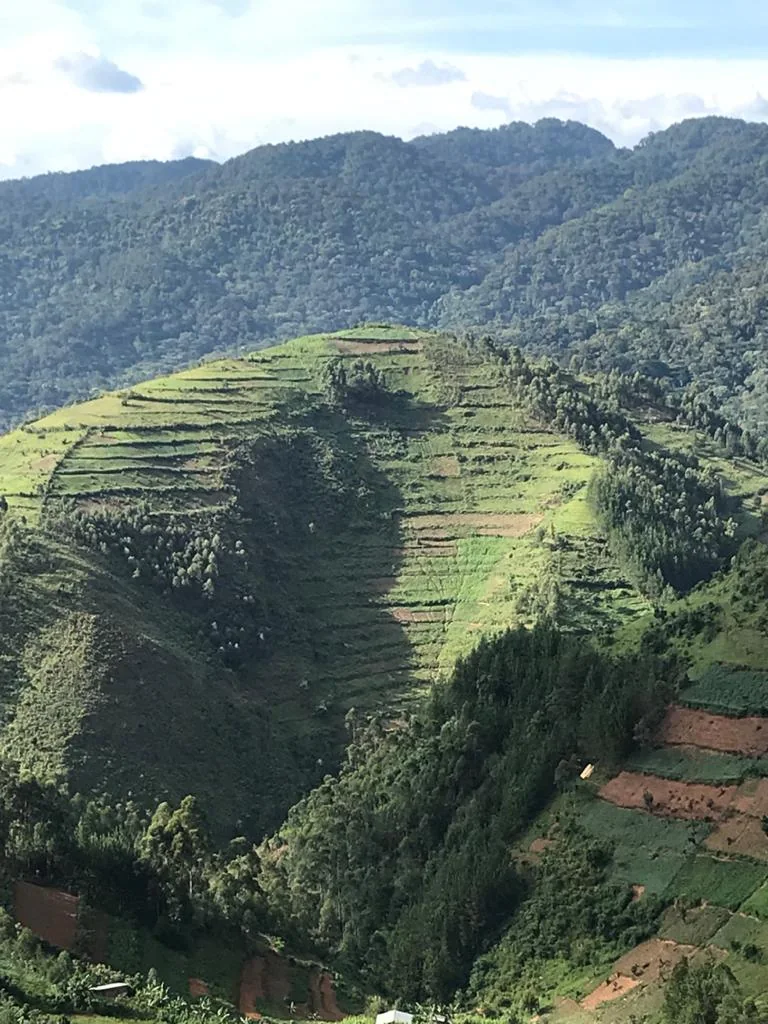

“Bwindi” is a useful destination name, but it is not a sufficiently precise meeting point. A sensible plan starts with the actual visitor area attached to your activity, then connects that place to your accommodation and transport. This is especially important when different people arrange different parts of a trip. Make sure they are describing the same place before treating a quotation as a complete itinerary.
The Uganda Wildlife Authority identifies Buhoma, Ruhija, Rushaga and Nkuringo among Bwindi’s visitor sectors. Use those names as a starting vocabulary for a conversation with the authority or your operator. They do not make the sectors interchangeable, and this page does not rank one as universally better. The right choice depends on the confirmed activity, your arrival arrangements and the kind of stay you want.
Put the meeting point before the room photograph
When comparing a stay, ask for the exact place where your first organised activity begins. Request the location in writing, together with who is responsible for getting you there. “Near Bwindi” may describe a broad area; a practical booking needs more detail. A beautiful view and convenient activity access are separate qualities, and it is reasonable to ask about both.
Give your accommodation the name of the confirmed visitor area rather than simply saying you have a Bwindi booking. If the activity has not yet been confirmed, say so. This lets the property explain its position without accidentally implying that a future permit or meeting point is already settled. Keep those dependencies visible until the responsible provider confirms them.
Compare a complete arrival, not an isolated transfer
Ask a transport provider to explain the arrival as a sequence: where you will be collected, the destination they understand, where you will stop and who will be available if plans change. A single journey-time estimate leaves much of that unanswered. Current road conditions and the driver’s actual route matter more than an old estimate repeated by several websites.
For a trip with an onward flight or another fixed departure, build the plan around the transfer provider’s current advice and the transport operator’s booking conditions. Do not assume a straight line on a map means a straightforward connection. Keep the final night’s location and the following departure in the same conversation rather than booking them independently and hoping they fit.
Name the activity precisely
An itinerary can use “forest walk”, “gorilla experience” or “community visit” to describe very different arrangements. Ask what is included, who leads it, where it begins and which permissions are required. If a permit is involved, establish who obtains it and what written confirmation you receive. A general tour listing is not evidence that a particular dated permit has been secured.
Also ask how the provider discusses route demands and individual requirements before booking. Explain the practical information you need instead of relying on labels such as easy or adventurous. A useful answer describes the arrangements and their limits. It should not promise that a forest outing will suit every visitor or produce the same wildlife encounter every day.
Leave room for the place around your base
Once the main activity and visitor area align, consider what you can reasonably enjoy nearby. You might want unhurried time with a guide, a confirmed visit to a conservation organisation, or a quiet afternoon at your accommodation. Keep each addition specific. A short stay can become frustrating if every available hour is treated as a gap that must be filled.
If someone suggests a community activity, ask who hosts it and whether the hosts are expecting visitors on that date. A named, agreed encounter is more meaningful than a vague promise to “see local life”. Our community and conservation guide offers a practical way to assess that part of an itinerary without assuming that residents are an attraction on demand.

Kampala’s Best Experience walking tour
Based on our past positive reputation for the past years, we guarantee you that our team is so exceptional in delive...

Kampala Cultural Tour
Its an informative, breathe taking experience that makes theb visitor get a clear insight into the country's culture...

The Best 1Day Jinja Tour & source of the Nile River Experience
Jinja is arguably Uganda’s heartbeat, it is a gem of unrivaled beauty, an asset to Uganda of humongous economic po...
Keep one written version of the plan
Before paying the final balance, put the visitor area, accommodation, activity meeting point, transfer responsibility and booking references into one document. Share it with the people arranging those elements. Invite them to correct mismatches while there is still time to change the plan. This small step often reveals ambiguity more clearly than another round of destination research.
Use the Uganda Wildlife Authority’s Bwindi information to check the official destination context and contact the responsible provider for current arrangements. Then read our forest-visit planning guide for the remaining questions. This page is an independent planning aid; it neither allocates permits nor confirms routes or availability.