
The communities around Bwindi deserve more than a decorative paragraph at the end of a wildlife itinerary. A useful starting point is to learn who is doing a particular piece of work and how they describe it themselves. That gives you something concrete to explore: an organisation, a profession, a product or a hosted activity with identifiable responsibilities.
This guide does not speak for the people who live around the forest. It suggests how to read a conservation story carefully and arrange a respectful visit if one is available. The distinction matters. A published project description can explain an organisation’s purpose, while the organisation itself must confirm what it can currently offer a visitor.
Follow a named piece of work
Gorilla Conservation Coffee describes itself as a social enterprise of Conservation Through Public Health, working with coffee farmers around Bwindi. Its account connects coffee quality, growers’ access to markets and conservation. The organisation’s own material also identifies wildlife veterinarian Dr Gladys Kalema-Zikusoka with its founding story. Those are specific people, work and relationships to read about, rather than a generic claim that a purchase “helps Africa”.
Read the enterprise’s current information directly before deciding how to engage. A product name or conservation image on another seller’s page does not establish that the seller is part of the same project. Check who you are buying from and what the current description actually says. Avoid assuming that an old donation figure or price premium still applies to a present-day purchase.
Distinguish a story from a visit booking
An organisation may publish excellent information without offering drop-in access. Before building a visit into your itinerary, ask whether visits are currently available, which site is involved and who confirms the appointment. Explain your interest so the host can judge whether the proposed visit fits its work. A conservation centre’s normal programme should not have to bend around an unexpected arrival.
Agree the practical details in advance: the group size, the time required, the fee if any, and whether the visit involves a presentation, a walk or a product demonstration. Ask how cancellations are handled. These questions help both sides understand the invitation. They also prevent a tour description from promising access that the actual host has not agreed to provide.
Ask where responsibility sits
If a guide or operator proposes a community activity, ask for the host’s name and the basis of the arrangement. Who decides what is shared? Who receives payment? Who handles questions or concerns? You do not need to demand a financial audit during a short visit, but clear answers about responsibilities are a reasonable part of choosing an activity.
Be careful with descriptions that treat a whole community as one undifferentiated attraction. People have different jobs, opinions and reasons for participating or declining. A hosted account of a person’s own work is different from an outsider presenting a universal story on everyone’s behalf. Give the people involved the opportunity to explain how they want the activity described.
Make photography a separate conversation
Permission to join an activity is not automatically permission to photograph every person present. Ask the host how consent works and respect a refusal without negotiation. The same care applies to names, quotations and children’s images. If you plan to publish something, explain that intention before recording it rather than relying on a friendly moment as implied consent.
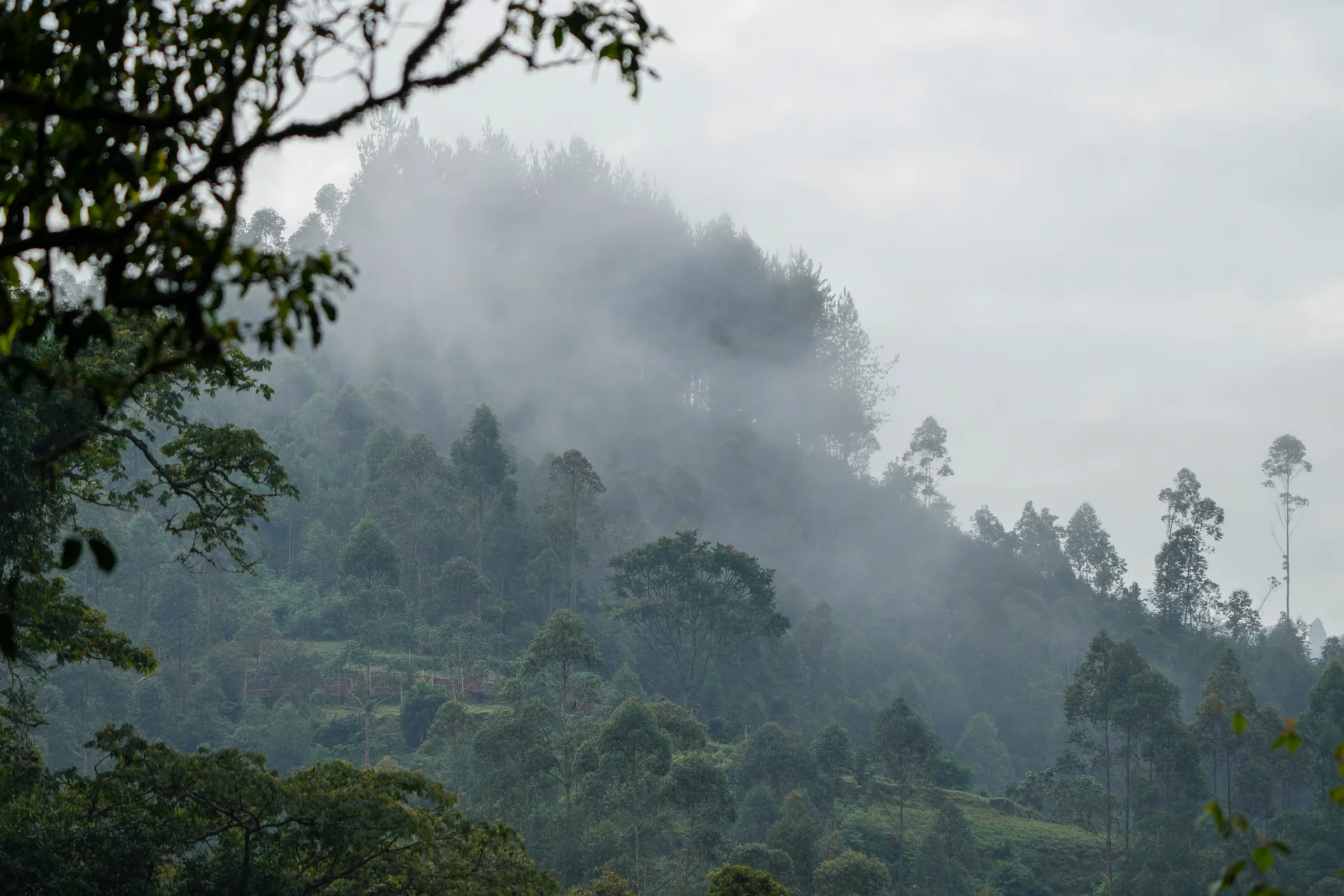
Our photographs on this website show documented forest and landscape subjects with named creators and licenses. They are not evidence that we interviewed a resident or attended a particular programme. When reading any travel story, look for the same distinction between a credited illustration, a reported encounter and an organisation’s own account.

Kampala’s Best Experience walking tour
Based on our past positive reputation for the past years, we guarantee you that our team is so exceptional in delive...

Kampala Cultural Tour
Its an informative, breathe taking experience that makes theb visitor get a clear insight into the country's culture...

The Best 1Day Jinja Tour & source of the Nile River Experience
Jinja is arguably Uganda’s heartbeat, it is a gem of unrivaled beauty, an asset to Uganda of humongous economic po...
Let a purchase stand on clear information
Buying a local product can be a satisfying part of a visit, especially when the maker or enterprise can explain its work. Choose something you value and can transport appropriately. Ask about the product itself, who made it and any practical requirements for taking it home. A conservation connection should add information rather than replace normal questions about quality and provenance.
For wider context, read Conservation Through Public Health’s visitor information and confirm any arrangements directly. You can then connect a proposed visit with the visitor area and base already in your itinerary. Keeping the host, place and purpose explicit makes room for a more thoughtful encounter, without asking a community to perform an invented version of itself.