
Begin with the part of a Bwindi visit that needs a firm arrangement. That might be a permitted wildlife activity, an authorised guided walk or a confirmed hosted visit outside the park. Write down exactly what it is, where it begins and who is responsible for confirming it. Once that foundation is clear, the room, transfers and additional reading become easier to organise.
This independent guide does not issue permits or confirm current prices, availability, health requirements or entry rules. Those details belong with the responsible authority and your named providers. The purpose here is to help you ask useful questions and keep the resulting answers together, so that an attractive itinerary becomes an understandable plan.
Confirm what has actually been booked
A quotation, a provisional reservation and a confirmed booking are different states. Ask which one applies to each part of your itinerary. If someone is obtaining a permit on your behalf, establish what evidence you will receive and which details must match your booking. Keep the written confirmation accessible without depending on a mobile connection.
The Uganda Wildlife Authority’s official Bwindi information is the appropriate starting point for the park context. Follow the authority’s current process for the activity you want, or ask your operator to explain how its arrangements relate to that process. Do not infer availability from a general tour advertisement or a photograph of a previous encounter.
Match the area, base and transfer
Use the exact visitor-area name in conversations with accommodation and transport providers. Ask them to check the same itinerary rather than giving each only its own booking. A practical plan should say who collects you, where you go and who handles a change. It should also distinguish travel towards Bwindi from reaching the activity’s actual meeting point.
Our visitor-area guide explains why this alignment matters. When an onward departure is fixed, work backwards with the people responsible for the transfer. Avoid relying on a single old journey-time estimate. Ask for current advice and leave the connection plan explicit instead of assuming that every nearby place is interchangeable.
Ask about the outing before packing for it
Request a clear description of the activity, its likely practical demands and the equipment the organiser expects you to bring. Explain any requirements that affect your participation. Broad words such as easy, remote or adventurous mean different things to different people; a useful discussion describes the actual arrangements and who will be available to help.
For health, entry and travel-document questions, consult the appropriate current official guidance and a qualified professional where needed. This website does not offer personalised medical advice. Similarly, ask about the specific terms of your travel cover rather than assuming that a policy title answers every question about an activity or a change to your plans.
Follow the briefing throughout the visit
Treat the ranger or guide’s briefing as part of the activity, not an administrative delay before it starts. Ask about photography, movement, belongings and what to do if you need assistance. Follow instructions as conditions develop. A rule repeated on a travel blog may be incomplete or out of date; the responsible team’s current directions govern the visit.
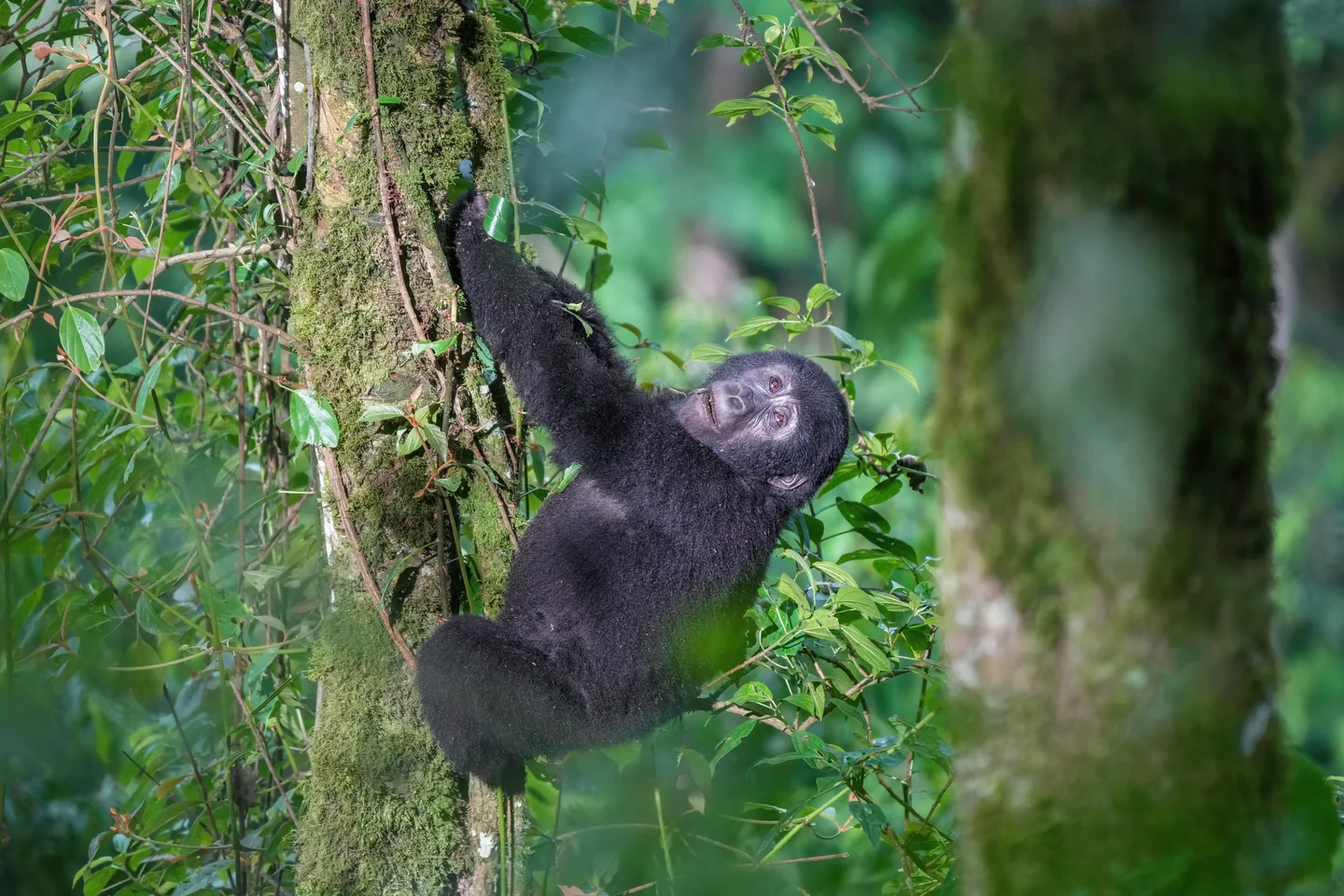
Give wildlife space within those directions and resist pressure to secure a particular image. The gorilla photograph on this page records one photographer’s documented moment at Bwindi. It does not promise the same view, proximity or behaviour for another visitor. An encounter can be meaningful without resembling the image that first inspired the trip.

Kampala’s Best Experience walking tour
Based on our past positive reputation for the past years, we guarantee you that our team is so exceptional in delive...

Kampala Cultural Tour
Its an informative, breathe taking experience that makes theb visitor get a clear insight into the country's culture...

The Best 1Day Jinja Tour & source of the Nile River Experience
Jinja is arguably Uganda’s heartbeat, it is a gem of unrivaled beauty, an asset to Uganda of humongous economic po...
Keep additional visits specific and agreed
If you add a community or conservation activity, name the host and confirm the invitation. Ask what is offered, how payment works and whether photographs are welcome. Leave time for the people involved to explain their own work. A vague promise to meet a community is not the same as a mutually understood appointment with a particular organisation or guide.
You can also leave part of the stay open for reading, a permitted outing that suits current conditions, or a quiet view from your accommodation. Not every gap needs another booking. Our forest guide and birdwatching notes offer different ways to shape your attention without setting a guaranteed wildlife target.
Keep the essentials together
- Your confirmed activity and named visitor area.
- The meeting point and person responsible for the transfer.
- Where collection begins.
- How a change is communicated.
- The accommodation’s written confirmation.
- Current instructions supplied by the authority or provider.
Make the final check small and concrete
Before departure, check the dates, names, meeting points, responsible contacts and payment terms in one place. Save the documents and a way to reach each provider. Reconfirm only the details that need a current answer, then allow the visit to unfold within those arrangements. Good preparation reduces avoidable uncertainty while leaving the forest free to be a living place rather than a scripted performance.